Winter travel is exciting and quite enthralling for most of us. The charm winter has, no other season can quite match. Snow-covered hill tops, festive decorations, streets glowing with Christmas lights, everything makes it a magical experience. The moment you reach the airport, complete all formalities and see from the windows, your flight waiting to land you in a place where you will spend the rest of your holiday week, it is the best feeling to experience. As winter comes with many festivities or events, it also means old reunions, which create a sense of excitement.
But then an unexpected reality hits. Winter flight comes with its own set of challenges. Snowstorms, icy runways, low visibility, and frigid temperatures can disrupt even the most carefully planned itineraries. Flight delays and cancellations become more common, tempers run shorter, and long waits in crowded terminals test even seasoned travelers.
So if you have planned a winter travel, you need to be prepared for the worst. Having a clear plan before you step into the airport can make the difference between a frustrating experience and a manageable one.
Weather and Winter Storms Affecting Major U.S. Airport Hubs
Winter storms are common during the peak winter season, which can affect one airport at a time. As airports operate in an interconnected network, disruptions at major hubs can trigger delays nationwide.
Airports such as Chicago O’Hare, Denver International, New York’s JFK and LaGuardia, Atlanta Hartsfield-Jackson, and Dallas–Fort Worth are especially vulnerable during winter snowstorms, heavy fog, or other events. In these situations, delays often last several hours, sometimes extending into the next day.
This calls for smarter planning than panicking. The one thing you can do then is to understand the urgency. Rebooking the flight is the only solution if the flight is cancelled. You have Online Travel Agencies and the airport staff to guide you through the next flight to your destination. But keep in mind that if the entire route is disrupted, you might not get a flight any sooner.
Let us find out strategies that can help face fewer delays and prep us more.
Most Affected Cities in the USA
It is important to understand which regions in the USA are most vulnerable to plan smarter routes and be prepared for the worst delays.
- JFK, LaGuardia, Newark, Boston Logan, and Philadelphia International are among the busiest airports and operate in very tight airspace. Any disruption here can cause long hours of delays and chaos.
- Illinois, Ohio, Michigan, Minnesota, and Wisconsin are hit by heavy snowfall, ice storms, and subzero temperatures, which affect flight schedules. Airports such as Chicago O’Hare (ORD), Detroit (DTW), Minneapolis–St. Paul (MSP) and Cleveland (CLE) are major connecting hubs, and this causes a huge network disruption.
- Colorado, Utah, Wyoming, and Montana also experience winter disruptions. Airports such as Denver International (DEN) and Salt Lake City (SLC) have facilities to tackle snowfall, but high winds and rapidly changing weather can make conditions unpredictable.
- Seattle, Portland, and the surrounding areas also experience snowstorms and freezing rain. Low visibility from fog and winter rain also affects the operations.
- Texas, Georgia, Tennessee, and the Carolinas experience fewer winter storms, but when they do occur, the impact can be severe. Airports like Dallas–Fort Worth (DFW) and Atlanta (ATL) can also be significantly disrupted.
Strategies That Reduce Winter Travel Risk
Booking Morning Flights
Morning flights are typically less affected by winter disruptions. Delays usually happen as the day progresses, and morning departures operate on a clean slate with clean runways. Fog at times hits the clock, but you have more rebooking options if something does go wrong. If your first flight of the day is delayed or canceled, you have multiple flights available later, whereas evening travelers may find themselves stranded overnight.
Nonstop Routes vs. Connecting Flights in Winter
While connecting flights are preferred for the affordable fares, delays can cost you more. Understand that every connection flight is another opportunity for weather delays.
If there is a snowstorm at a connecting airport and the rest of the airports and the destination are clear, it can cause missed connections and unexpected overnight stays. The best way to avoid this situation is to book a nonstop flight. If you have to book a connecting flight, choose routes with longer layovers.
Travel Insurance
Weather can be harsh, and the only thing that matters in certain situations is safety. At times, the only option left is to cancel a flight. Airlines might offer flexible or refundable fare options. This allows you to change flights without hefty penalties, but these fares may cost more.
Travel insurance makes you a smarter traveler. A few policies cover weather-related delays and will reimburse expenses for hotels, meals, and transportation.
Tips and Hacks to Tackle Emergencies
Your winter travel plan starts way before you reach the airport. Delays or no delay, these are the generic tips to follow every time you are traveling.
Know your Airport
A brief study of your departure airport can be a great help when you are stuck. Check where the airport lounges are, whether they offer credit cards or paid passes accessibility. Also, check on Wi-Fi, flight assistance, and less crowded terminals, to wait till your flight is resumed.
Staying Updated
Airline apps and text alerts are essential during winter travel. Enable push notifications to receive real-time updates about gate changes, delays, and cancellations. You must have the airport contact number and the contact information of your friends and family in speed dials.
Carry-On Essentials You Should Never Check
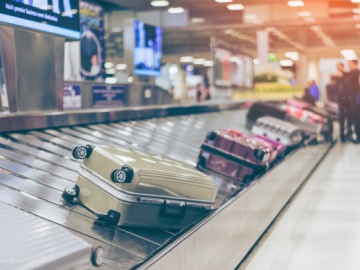
Checked baggage delays are more common due to cancellations and rerouted flights. If you have packed strategically, this will ensure that you can stay comfortable with your carry-on bag. Keep medications, chargers, travel documents, valuables, and at least one warm layer in your carry-on. Also, carry some snacks, as food options can become limited during long delays or late-night disruptions.
TSA PreCheck or CLEAR
Long security lines can be really frustrating, especially during delays. Programs like TSA PreCheck and CLEAR make it easier for travelers by allowing them to get through security quickly and with less hassle. When bad weather causes unexpected changes to flights or gates, being able to zip through security can make a big difference between catching a new flight or missing it altogether.
Considering Alternative Travel Options
When winter storms severely disrupt air travel, it is best to reconsider your travel plans. You can either look for nearby airports within driving distance or look for other means, like trains or buses.
Explore Related Stories